

The 140th Canton Fair has once again brought international buyers and Chinese manufacturers together, providing a platform for product discovery, supplier evaluation, and business cooperation. For importers, distributors, retailers, and private-label brands, the exhibition offered an opportunity to explore China’s manufacturing capabilities and identify potential suppliers for future purchasing projects.
The first phase of Canton Fair 2026 concluded on October 19. According to official figures, 189,000 overseas buyers from 214 countries and regions had attended by the end of the phase, representing a 13.3% increase compared with the corresponding period of the previous session. Electronics and home appliances were among the featured exhibition categories, alongside industrial automation, electrical equipment, and new energy products.
For international businesses sourcing from China, the event provides useful context for evaluating suppliers, understanding product requirements, and planning future procurement. The following takeaways highlight several considerations for buyers looking for reliable home appliance manufacturers and long-term OEM or ODM partners.
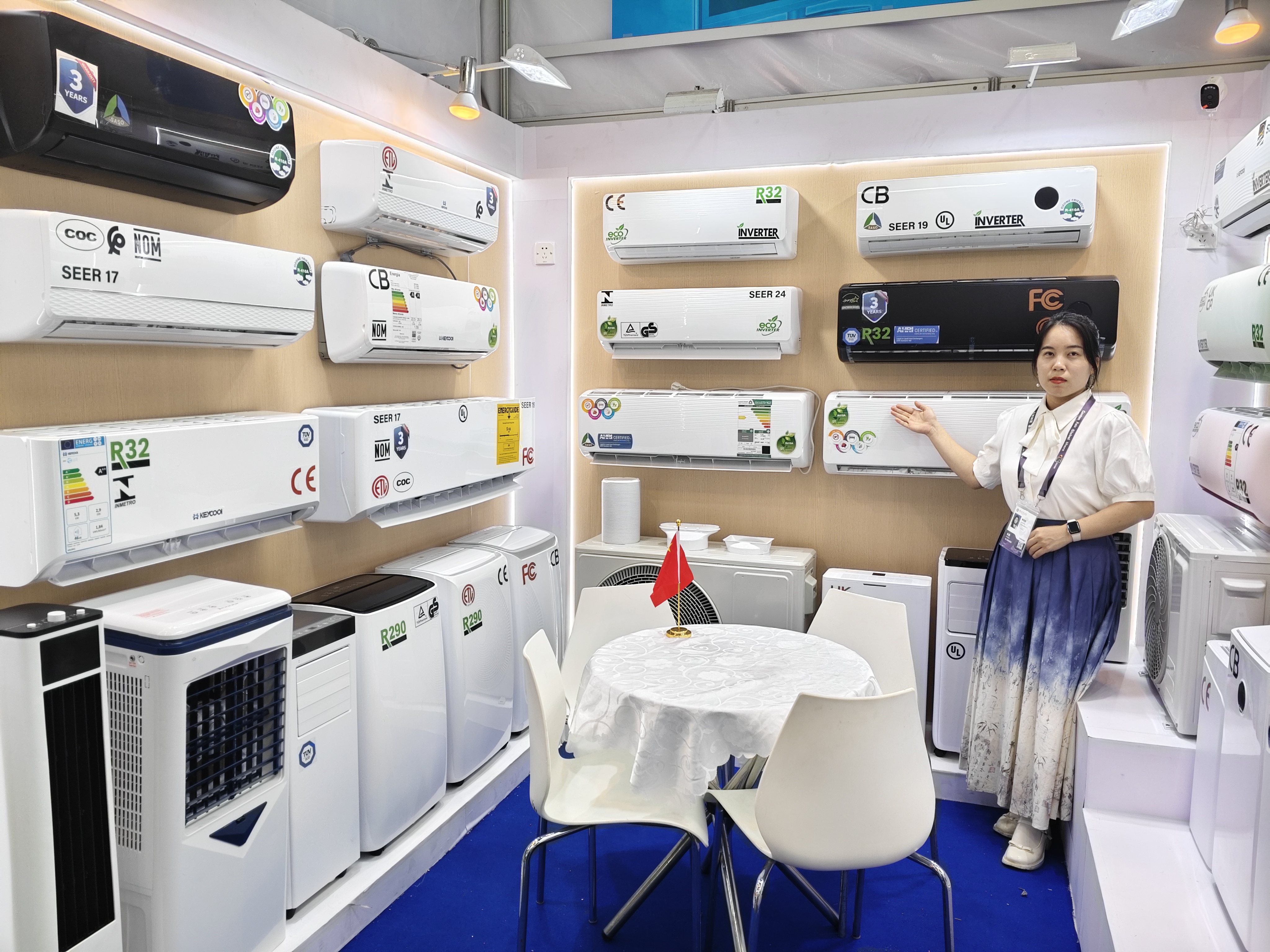
Canton Fair 2026: A Key Meeting Point for Global Buyers and Chinese Manufacturers
The Canton Fair remains an important sourcing platform for companies seeking products from China. Its broad range of exhibitors enables buyers to compare product specifications, discuss manufacturing requirements, and establish direct communication with potential suppliers.
For the home appliance industry, sourcing decisions often involve more than selecting a suitable model. Importers and distributors need to evaluate production capacity, product consistency, customization options, certification requirements, minimum order quantities, and delivery schedules.
Meeting suppliers in person can help buyers understand these factors more clearly. It also creates an opportunity to discuss market-specific requirements that may not be fully addressed in a product catalog or online listing.
For businesses searching for a home appliance manufacturer in China, the Canton Fair can therefore serve as the starting point for a more structured supplier evaluation process.
What Home Appliance Buyers Should Consider After the Canton Fair
1. Manufacturing Capability and Product Reliability
When comparing a home appliance supplier in China, buyers should evaluate the manufacturer’s ability to maintain consistent product quality and manage production over time.
A supplier’s product range can provide an initial indication of its capabilities, but buyers should also ask about manufacturing facilities, production processes, quality inspection, performance testing, and component sourcing.
For major appliances such as air conditioners, refrigerators, washing machines, and freezers, these factors can influence product reliability, delivery consistency, and after-sales costs.
Before placing a bulk order, buyers should request detailed product specifications and relevant quality documentation. Factory visits or third-party inspections may also be appropriate for larger projects.
2. OEM and ODM Manufacturing for Different Business Models
OEM and ODM services remain important considerations for international brands, distributors, and importers developing their own appliance product lines.
An OEM home appliance manufacturer typically produces products according to the buyer’s defined specifications, branding requirements, or approved product designs. An ODM manufacturer may provide additional support in product design, engineering, and development.
The right cooperation model depends on the buyer’s resources and business objectives. Established brands may already have detailed technical specifications, while distributors entering a new category may prefer to begin with existing models and make selected modifications.
Before choosing a supplier, buyers should clarify the available customization options, development costs, sample process, intellectual property arrangements, MOQ, and production timeline.
A clear understanding of these requirements helps both parties assess whether the proposed project is commercially and technically feasible.
3. Product Selection Should Match the Target Market
Home appliance requirements vary across countries and regions. Differences in voltage, frequency, climate, energy efficiency expectations, product capacity, design preferences, and regulatory requirements can influence purchasing decisions.
For example, an air conditioner intended for a hot climate may require different performance considerations from a model designed for a more moderate environment. Refrigerator capacity, energy consumption, and product configuration may also vary according to local demand.
International buyers should communicate their target market and intended customer segment before requesting quotations. This allows a manufacturer to recommend suitable products and identify potential technical or compliance issues at an early stage.
For companies sourcing air conditioners, refrigerators, washing machines, and other major home appliances, market-specific product selection is an important part of building a competitive product portfolio.
4. MOQ, Pricing, and Lead Time Require Early Confirmation
Commercial terms are another key part of supplier evaluation after a trade fair.
The minimum order quantity may vary by model, product category, packaging requirements, and customization scope. Buyers should request the MOQ for each specific model and confirm whether different models can be combined in one shipment.
Pricing should also be evaluated against consistent specifications. Differences in components, functions, packaging, warranty terms, and delivery conditions can make direct price comparisons misleading.
Production lead time should be confirmed alongside the quotation. Importers need sufficient time to coordinate shipping, inventory, distribution, and local sales activities.
For a more accurate comparison, buyers should provide shortlisted suppliers with the same request for quotation (RFQ), including product specifications, estimated order quantity, branding requirements, target market, and preferred delivery schedule.
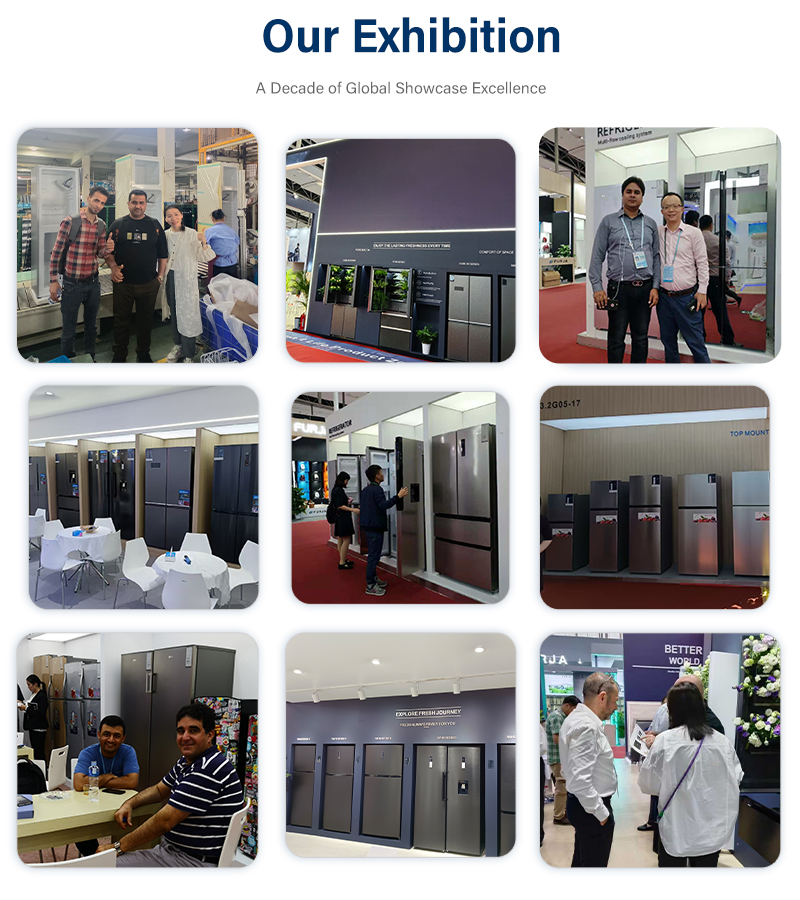
Why OEM and Private Label Home Appliances Matter to Importers
For distributors and retailers seeking to develop their own brands, private label home appliances can offer a way to build product differentiation while working with an established manufacturing partner.
Depending on the manufacturer’s capabilities, a private-label project may include logo application, customized packaging, product labels, selected appearance changes, and other agreed specifications.
More extensive customization may require additional engineering work, tooling, testing, or certification review. Buyers should therefore confirm the scope and cost of each requirement before approving samples or starting mass production.
A practical approach is to begin with a clear product brief and a defined set of priorities. This helps manufacturers assess feasibility and prepare a quotation that reflects the actual project requirements.
How to Evaluate a Home Appliance Supplier After a Trade Fair
Collecting catalogs and business cards is only the first stage of sourcing. Once the exhibition has concluded, buyers should organize their supplier information and identify the companies most closely aligned with their purchasing plans.
A structured evaluation can include five areas:
-
Product suitability: Does the product meet the technical and commercial requirements of the target market?
-
Manufacturing capability: Can the supplier support the expected order volume and maintain consistent quality?
-
Customization: Are the required OEM, ODM, or private-label services available?
-
Commercial terms: Are MOQ, pricing, payment conditions, and lead time clearly defined?
-
Long-term support: Can the supplier provide spare parts, warranty assistance, technical documentation, and communication throughout the order process?
After the initial screening, buyers can request quotations, compare product documentation, evaluate samples, and arrange factory audits where appropriate.
For large-volume purchases or new supplier relationships, completing these checks before confirming mass production can help reduce avoidable sourcing risks.
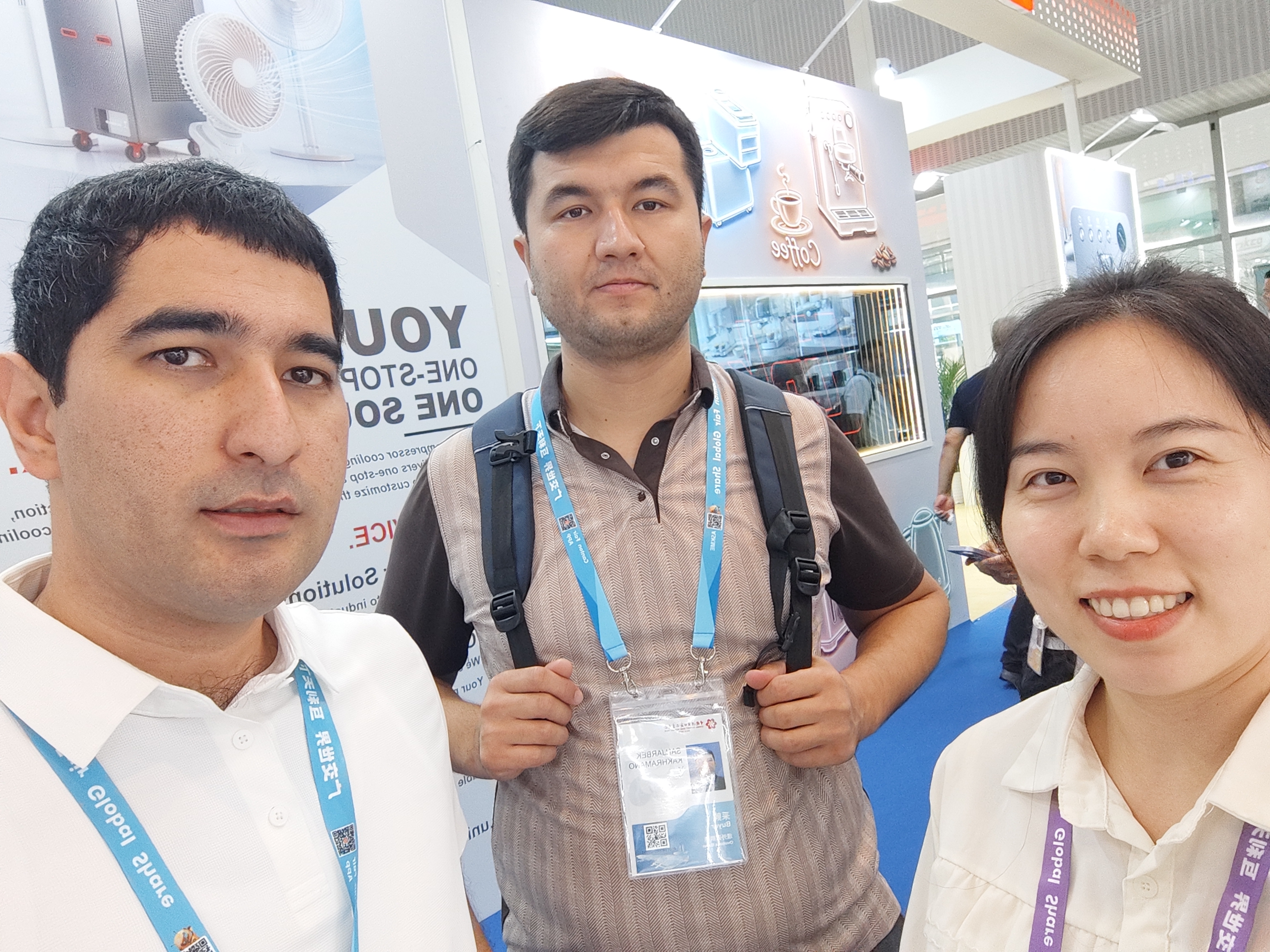
KEYCOOL: A Manufacturing Partner for International Home Appliance Businesses
For international businesses looking for a home appliance manufacturer in China, KEYCOOL provides OEM and ODM manufacturing solutions for appliance brands, distributors, and importers.
KEYCOOL’s product portfolio includes air conditioners, refrigerators, washing machines, and other household electrical appliances. The company states that its business dates back to 1983 and that its manufacturing capabilities include research and development, sheet metal processing, injection molding, quality control, and final assembly.
Depending on the product and project, cooperation can cover product selection, OEM customization, ODM development, sample evaluation, packaging requirements, quality inspection, spare parts support, and shipment coordination.
For buyers planning to source appliances in bulk, the appropriate solution depends on the target market, product specifications, order quantity, and customization requirements. MOQ, lead time, certification documentation, and warranty terms should be confirmed for the specific products under consideration.
Whether you are expanding an existing appliance portfolio or developing a private-label product line, early communication with a manufacturer can help clarify project feasibility and establish a more efficient sourcing process.
Turning Canton Fair Connections into Long-Term Business Opportunities
The value of a trade fair often continues after the exhibition closes. Supplier evaluation, product development, sample approval, commercial negotiation, and order planning can all take place in the weeks that follow.
International buyers can make better use of their exhibition contacts by preparing a clear sourcing brief, defining their target market, and prioritizing suppliers according to manufacturing capability and project suitability.
For companies sourcing wholesale home appliances, bulk air conditioners, refrigerators, or OEM home appliances, a well-defined procurement process can help turn initial supplier discussions into sustainable business cooperation.
KEYCOOL works with international appliance businesses on product sourcing and OEM/ODM manufacturing requirements. Buyers can share their target market, required product category, specifications, estimated purchasing volume, and customization needs to begin a project discussion.
Looking for a home appliance manufacturer in China?
Contact KEYCOOL to discuss your air conditioner, refrigerator, or other major home appliance sourcing requirements.
Frequently Asked Questions
What is the Canton Fair, and why is it important for home appliance buyers?
The Canton Fair is a major international trade exhibition in China. It allows buyers to discover products, meet suppliers, compare manufacturing capabilities, and discuss potential cooperation with Chinese companies.
How can I find a reliable home appliance manufacturer in China?
Review the manufacturer’s product capabilities, factory information, quality control procedures, certifications, export experience, OEM/ODM services, and commercial terms. Request relevant documentation and consider samples, factory visits, or third-party inspections before placing a large order.
What is the difference between OEM and ODM home appliances?
OEM manufacturing generally follows the buyer’s defined specifications and branding requirements. ODM manufacturing may include additional product design and development support. The exact scope varies by supplier and project.
What information should I provide when requesting a quotation?
Provide the product category, technical specifications, target market, estimated order quantity, branding and packaging requirements, certification needs, and preferred delivery schedule. These details help suppliers prepare more accurate quotations.
Can KEYCOOL support bulk and private-label appliance orders?
KEYCOOL provides OEM and ODM manufacturing solutions for international appliance customers. Product availability, customization scope, MOQ, production lead time, and warranty terms should be confirmed according to the specific project.
Plan your next sourcing project with KEYCOOL. Share your product requirements and target market to discuss a suitable home appliance manufacturing solution.
See more factory daily in our Youtube Channle: https://www.youtube.com/@keycool7154
Author Card — Ashley Chen · Keycool

Post time: Oct-28-2026